| Home > Different Industrial Molding Processes > Compression Molding |
Compression Molding Process |
What is Compression Molding?
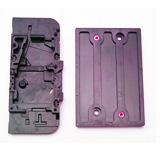
Compression molding is a high-volume, high-pressure method of molding used to produce larger flat or moderately curved parts such as hoods, fenders, scoops, spoilers, lift gates and the like for automotive end-uses. Even before plastic existed, this method was widely used in the bakery industry to mold cookies and cakes. There are number of manufacturers, suppliers and exporters in India, offering hi-tech compression moulding machine.
 Types of Compression Molding:
- Cap Compression Molding
- Injection Compression Molding
- Plastic Cap Compression Molding
- Plastic Compression Molding
- Rotary Compression Molding
- Rotational Compression Molding
The Compression Moulding Process:
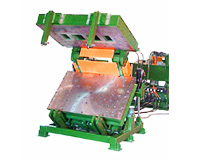
In this method, the material (which is generally in its granular or putty like form) is first heated and placed in the oven or heated mold cavity. The mold is then closed and subjected to pressure so that the molten material is distributed evenly in the mold cavity. It has to be noted that it is very important to maintain a consistent heat and pressure till the molding materials are cured. The machines used in compression molding are found in a wide range of shapes and sizes. Generally, these presses are powered by a hydraulic ram so that sufficient force is produced.
Raw Materials Commonly Used in Compression Moulding Process:
- Polyester fiberglass resin systems (SMC/BMC)
- Polyester
- Polyimide (PI)
- Polyamide-imide (PAI)
- Fiber reinforced plastics
- Poly(p-phenylene sulfide) (PPS)
 Different grades of Polyetheretherketone (PEEK). Different grades of Polyetheretherketone (PEEK). A few important considerations to be kept in mind while executing the process of compression molding:
- Determining accurate amount of material
- Determining minimal amt. of energy necessary for heating the material
- Calculating the minimum time i.e. require to heat the material
- Ascertaining the most appropriate heating technique
- Predicting the required force so that shot takes proper shape
- Designing of mold for rapid cooling of the material after compression
We are an India based manufacturer, supplier and exporter all types of compression moulding machine, cap compression moulding machine, rotary compression moulding machine, injection compression moulding machine, plastic cap compression moulding machine, plastic compression moulding machine, rotational compression moulding machine, etc. Feel free to send your query for information on any types of compression moulding machines.
|
| |
| |
 |